Ecological action can be distributed
Small interventions can connect fragmented spaces when they operate as part of a wider spatial strategy.
How can grassroots ecological action extend a threatened brownfield habitat into the surrounding neighbourhood?
Footpath 47 is a brownfield landscape in Barking Riverside shaped by the accumulation of pulverised fly ash from a nearby coal-fired power station. These unusual ground conditions have created an Open Mosaic Habitat that supports specialised species.
Planned development and flood defence works risk replacing parts of this landscape with raised, paved and managed public space. The project explores how its existing ecology could extend beyond the site before this transformation takes place.
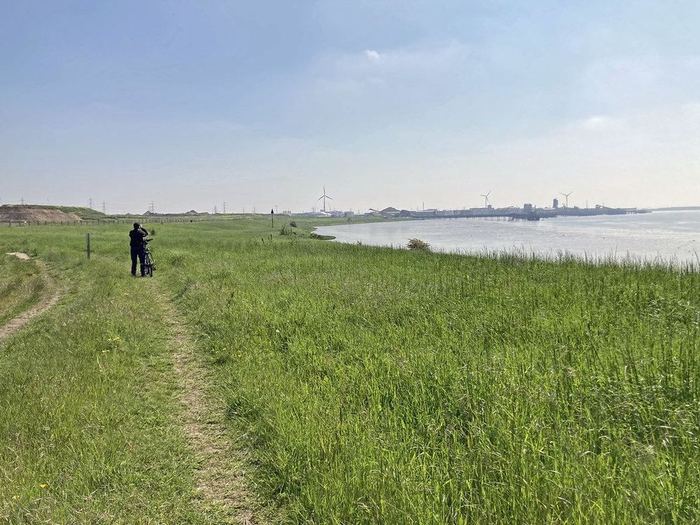
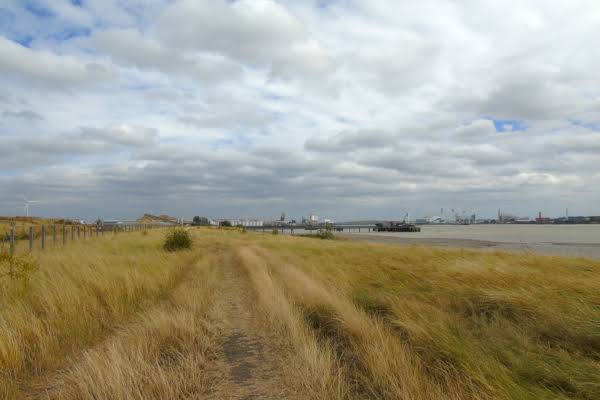
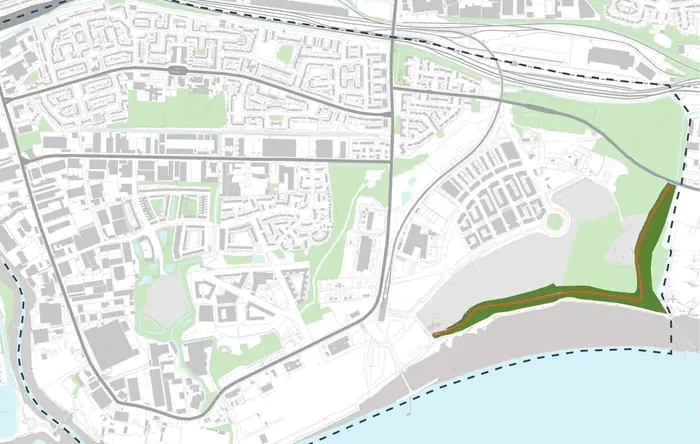
The proposal uses site-specific seeds collected from Footpath 47 to establish small ecological nodes across Barking Riverside.
Young participants collect seeds and soil samples before construction changes the site. A community Seed Library stores these materials, while a Social Archive records memories and sensory experiences associated with the landscape.
The collected seeds are then made into seed bombs and distributed across overlooked spaces in the surrounding neighbourhood.

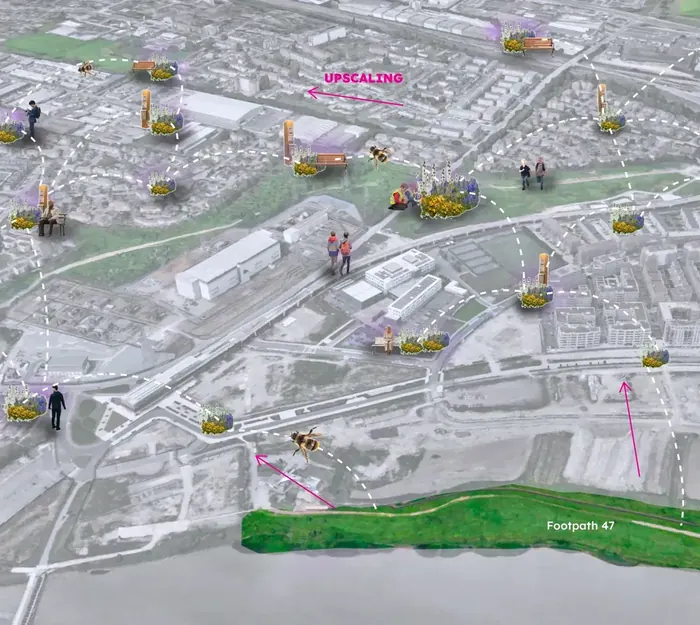
Individual interventions gradually form a network of green nodes between Footpath 47 and inland green spaces.
Interstitial spaces and existing roofs become possible stepping stones within this network. Local ruderal species maintain a connection with the ecological conditions already present at Footpath 47 and allow its habitat to extend into the surrounding urban area.
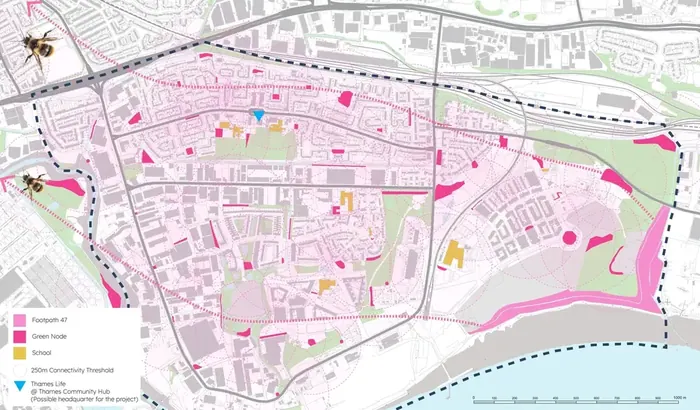
The intervention spreads through repeated small actions across the neighbourhood.
Seed Archive Posts distribute seeds and provide space for local information. Simple seating creates places where residents can pause and observe the changing landscape. As more sites are planted, scattered interventions gradually become part of a wider ecological network.
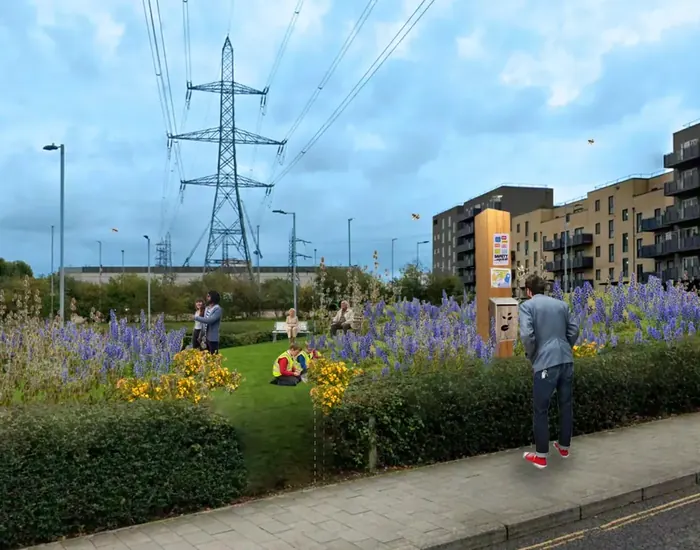
Each intervention introduces ruderal species into another overlooked space. As these sites accumulate, they act as stepping stones within a wider ecological network.
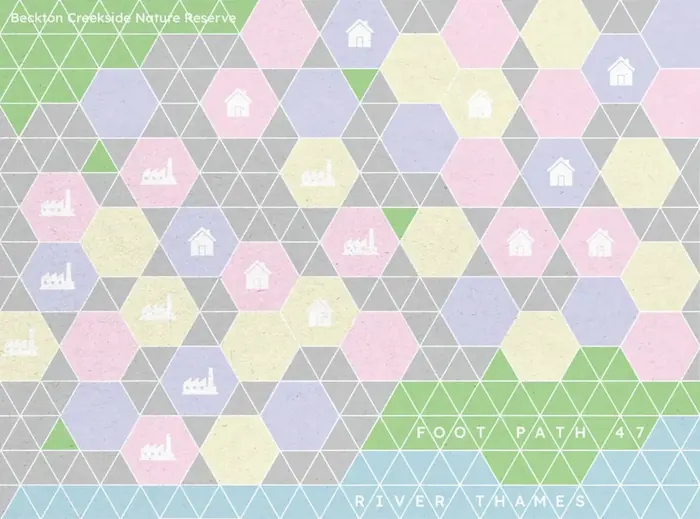
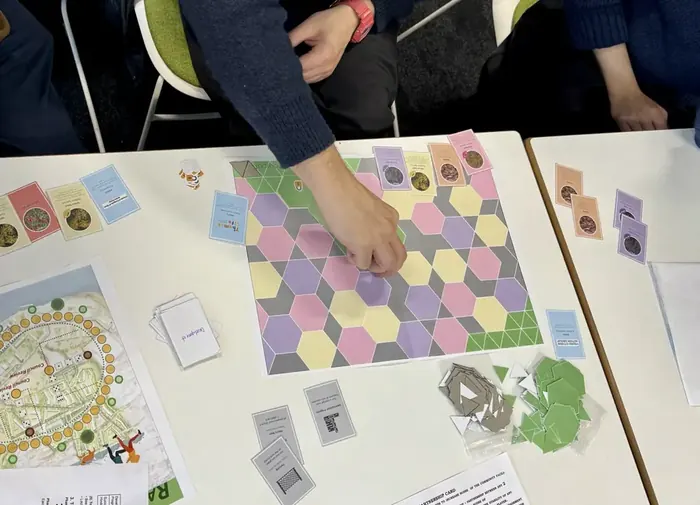
The ecological strategy was translated into Corridor 47, a three-player cooperative game.
Players take the roles of local actors with different abilities. They collect resources, green rooftops and interstitial spaces, and work towards connecting Footpath 47 with inland green space.
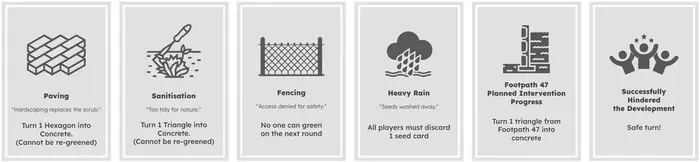
Urban Pressure cards introduce development, paving, fencing and other disruptions that can fragment the emerging network. Players have to respond to these changing conditions while working towards a shared ecological goal.
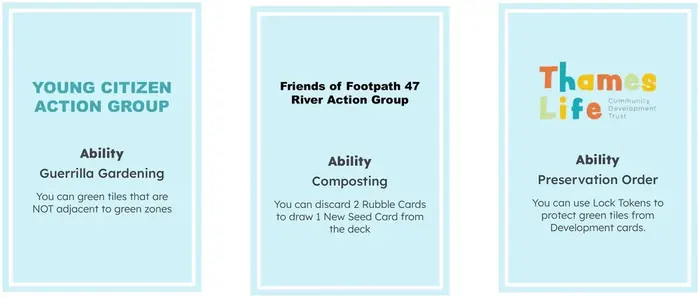
Players represent three local actors, each with a different capacity to shape the ecological network.
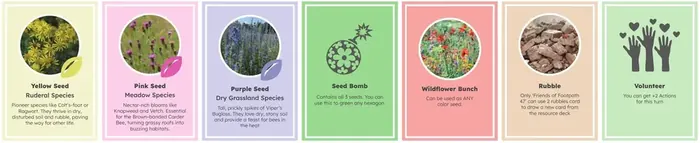
Resource cards provide the materials and actions required to expand the ecological network.
Urban Pressure introduces events that can interrupt, damage or block the emerging green network.
Each turn moves through three stages:
Collect → Act → Urban Pressure
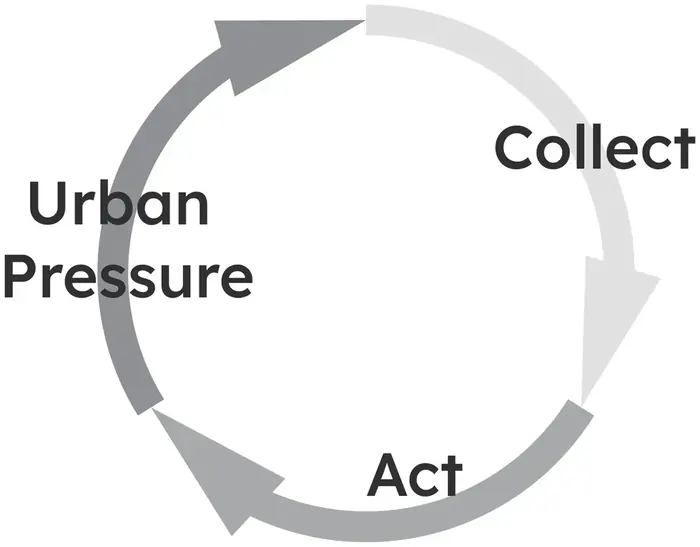
Players collect resources, use them to expand the green network, exchange cards with one another, or activate the particular ability of their role.
The game ends when a continuous ecological route connects Footpath 47 to inland green space, or when development pressure blocks the remaining possibilities.
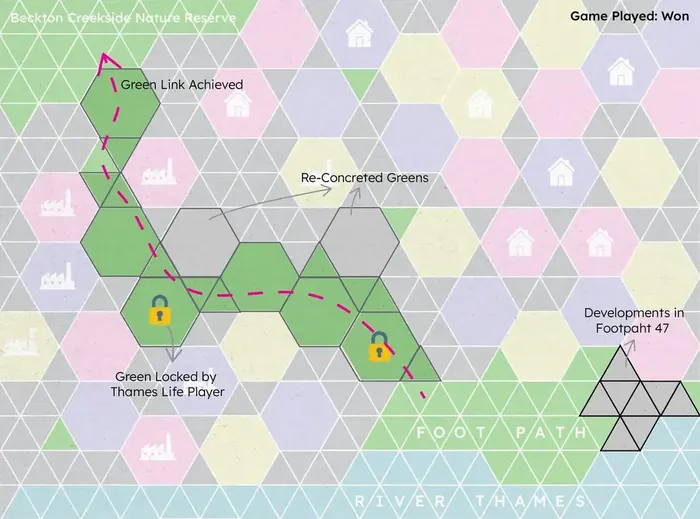
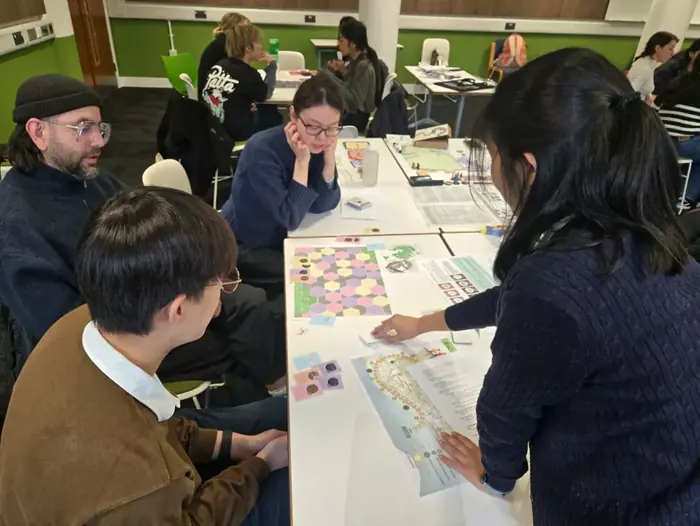
The game was tested with three participants in a 30-minute session.
Players began exchanging resources and coordinating their individual abilities around the shared objective. As Urban Pressure changed the board, they adjusted their routes and developed new strategies.
The test showed that the cooperative structure worked effectively. It also identified opportunities to strengthen the Urban Pressure system and increase the level of challenge.
Small interventions can connect fragmented spaces when they operate as part of a wider spatial strategy.
Local groups bring different forms of knowledge, action and support to a shared ecological process.
Corridor 47 translates ecological connectivity, cooperation and development pressure into a system that players can negotiate through play.