Traces of the Unseen

How can participatory performance make overlooked urban traces visible as collective memory?

Seochon, Seoul · 2024
WalkingParticipationArchiving
Poster for Traces of the Unseen

01 Project Overview

Traces of the Unseen invited audiences to join the Piripong Expedition, a fictional research unit exploring overlooked, fragile, or disappearing traces in Seochon.

We called these traces Piripong: ordinary but strange objects that make us stop, look again, and notice the city differently.

Through guided walks, independent exploration, walkie-talkies, and disposable film cameras, participants discovered, documented, and shared their own Piripong, turning everyday fragments into a temporary collective archive.

Methods

Walking
Moving through Seochon enabled close observation of layered urban fragments.
Playful framing
The fictional expedition and invented terminology made observation a shared game.
Participation
Audience roles shifted between guided and independent discovery.
Broadcasting
Walkie-talkies circulated individual findings across the group immediately.
Participatory archiving
Film photographs allowed encounters to return later through recollection.

02 Theoretical Background

Hyperart Thomasson

Akasegawa Genpei’s Hyperart Thomasson describes obsolete or functionless urban remnants that become objects of attention once they are noticed differently.

Piripong extends this way of seeing through participation, inviting audiences to discover, name, photograph, and share overlooked fragments themselves.

Right to the City

Henri Lefebvre understood urban space as something continually shaped through everyday social practices.

In Traces of the Unseen, walking, noticing, and documenting became small acts of re-engaging with parts of Seochon that might otherwise remain unnoticed or disappear.

Place and Memory

Marc Augé’s distinction between relational places and anonymous non-places helped frame the project’s concern with the gradual loss of local textures and memory.

The performance responded by drawing attention to small urban traces and giving them temporary meaning through collective discovery.

03 Performance Design

Site

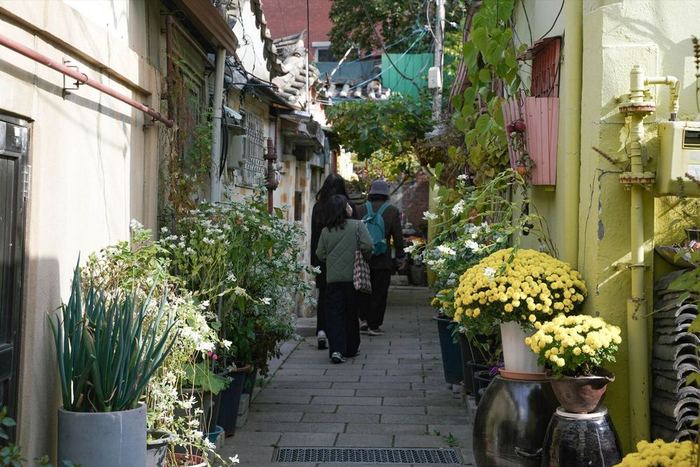
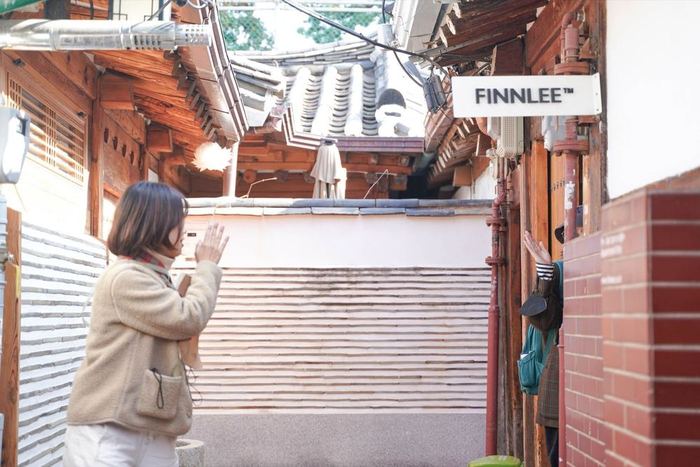
The performance unfolded through the alleys and hidden corners of Seochon, where older buildings, small urban fragments, commercial spaces, and new developments coexist.

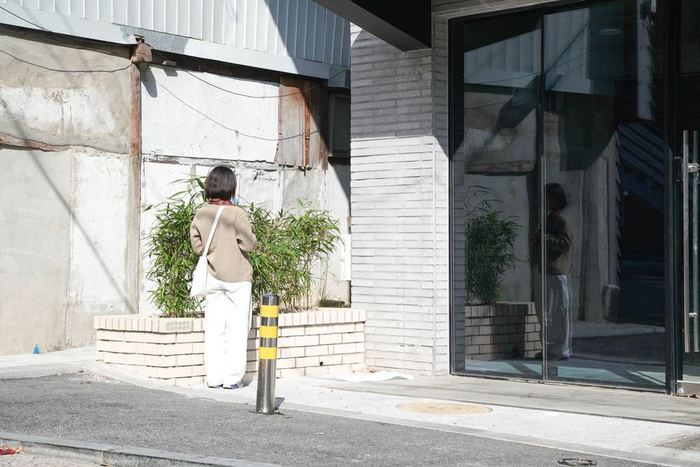
The performance encouraged participants to notice small objects and urban details that they might normally pass by without noticing.

Performance Structure

0. Invitation

The expedition began before the audience arrived.

The day before the performance, each participant received a message inviting them to join the Piripong Expedition and directing them to one of four meeting points across Seochon.

The invitation introduced the fictional world of the expedition and positioned the participant as someone capable of noticing things that others might overlook.

1. First Encounter

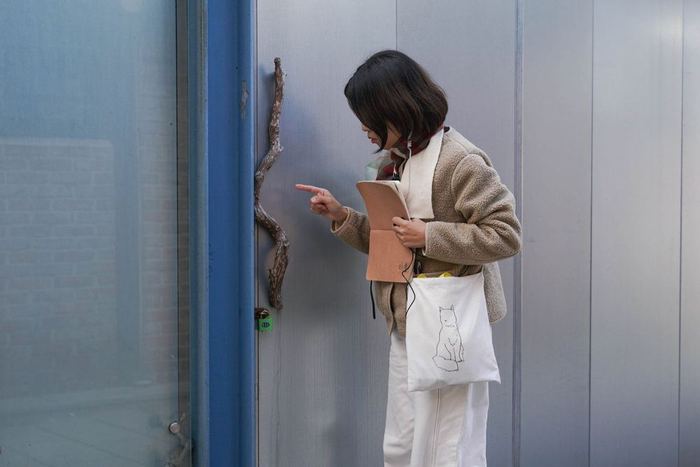
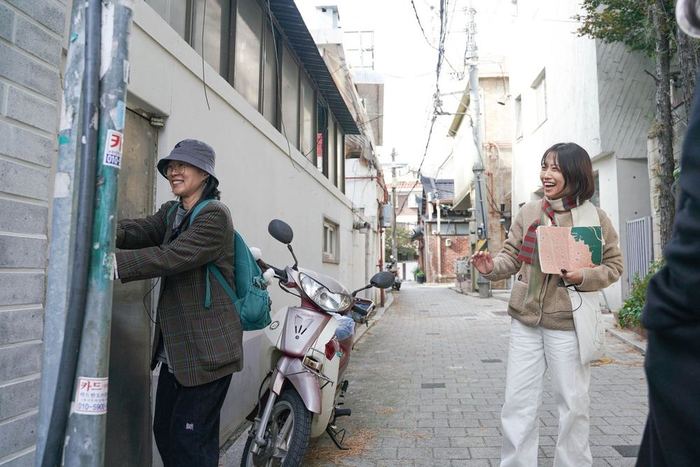
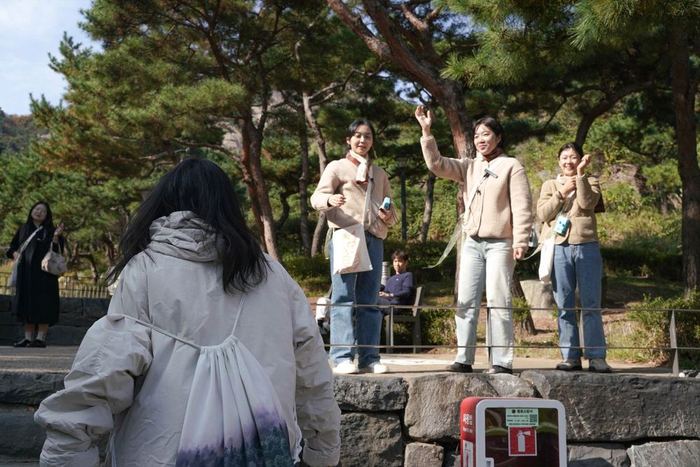
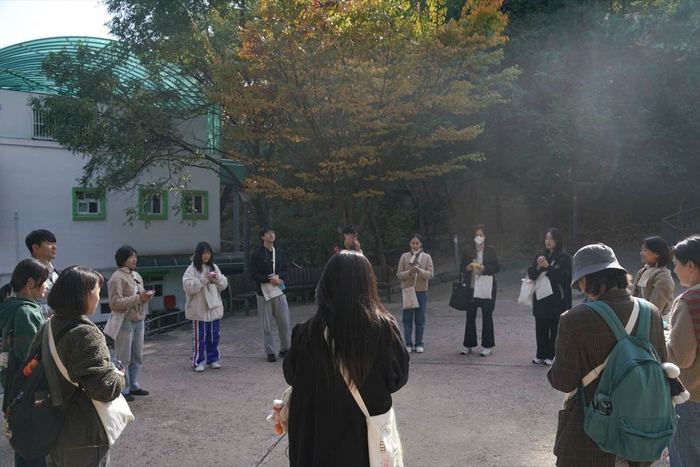
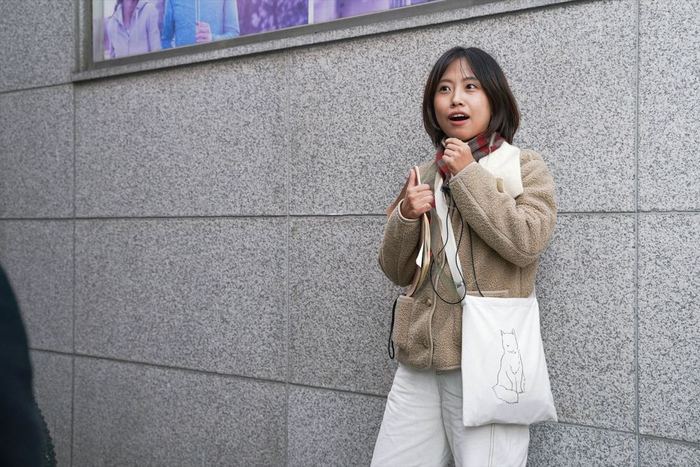
At each meeting point, participants encountered a performer-guide, or Piripong Captain, and received a walkie-talkie.

The encounter marked the transition from an ordinary walk through Seochon into the fictional world of the expedition.

2. Guided Exploration

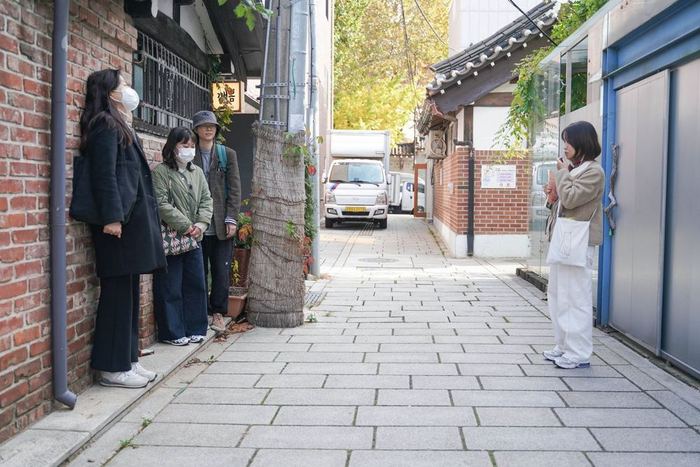
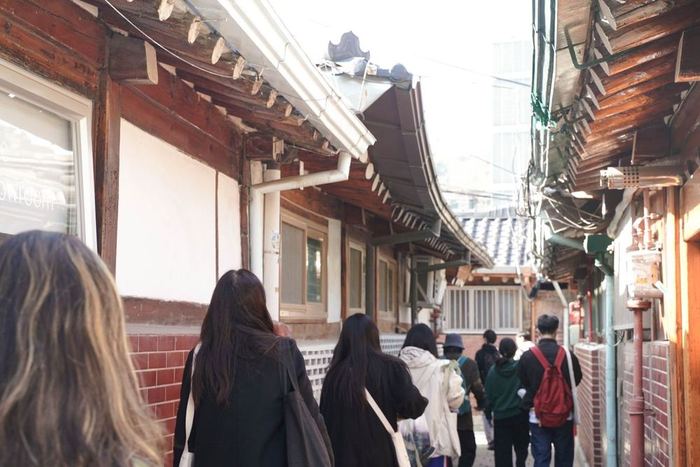
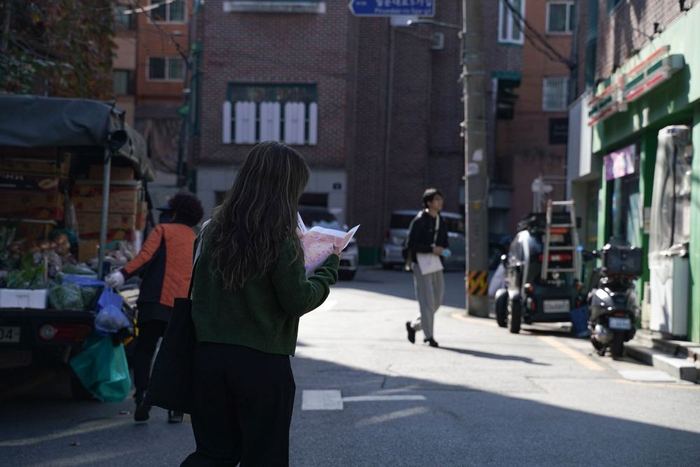
Small groups followed their Piripong Captain through Seochon.

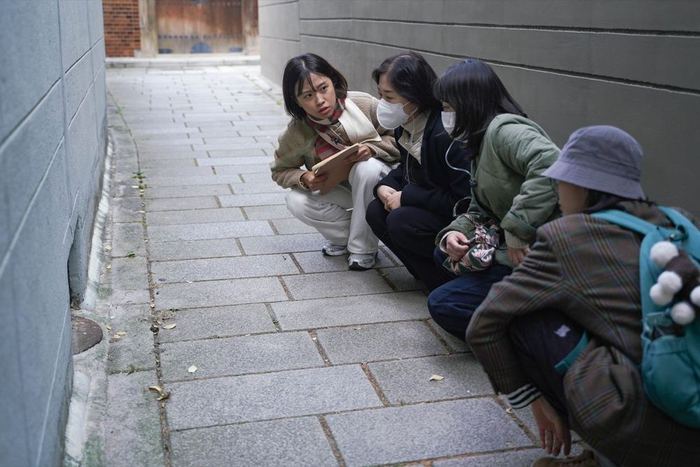
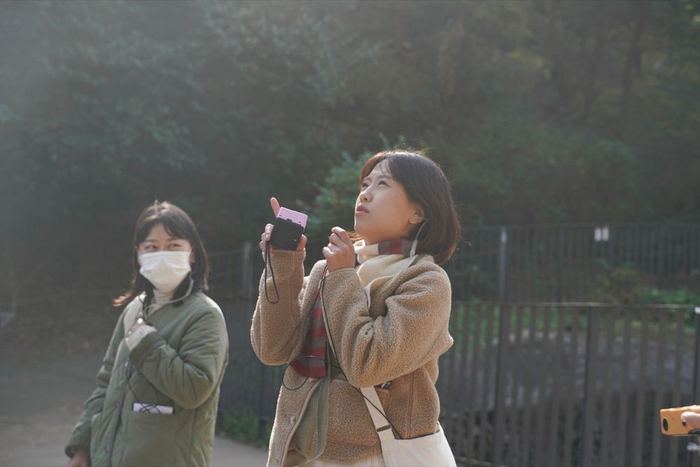
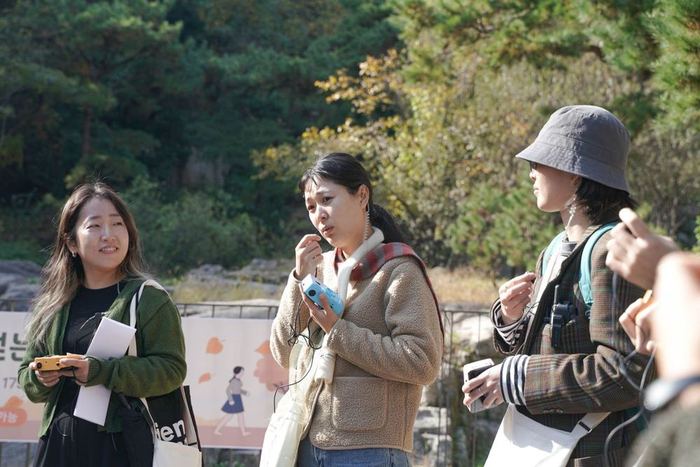
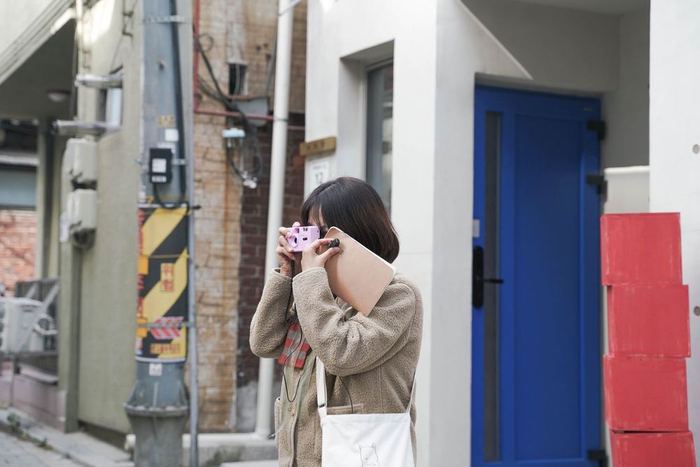
Along the route, performers stopped at fragile, strange, or overlooked objects and introduced them as Piripong. Participants looked closely, photographed discoveries, and communicated through walkie-talkies.

The guided journey gradually introduced a different way of looking at the neighbourhood before participants began searching independently.

3. Hideout

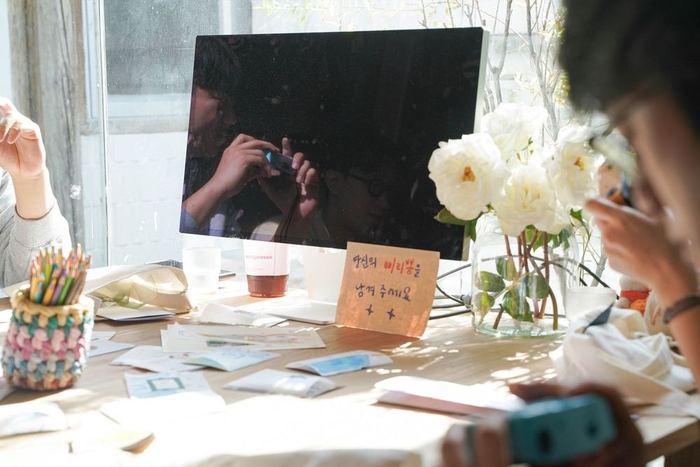
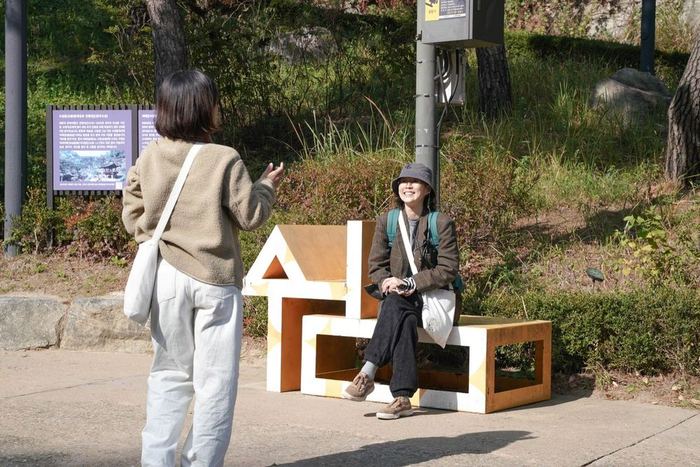
The different groups eventually arrived at a hidden basecamp.

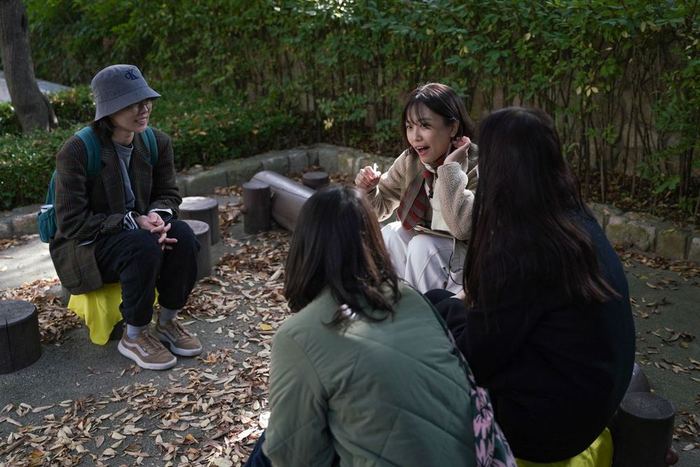
Here, participants who had followed separate routes encountered one another, shared their discoveries, and took part in a small initiation ritual.

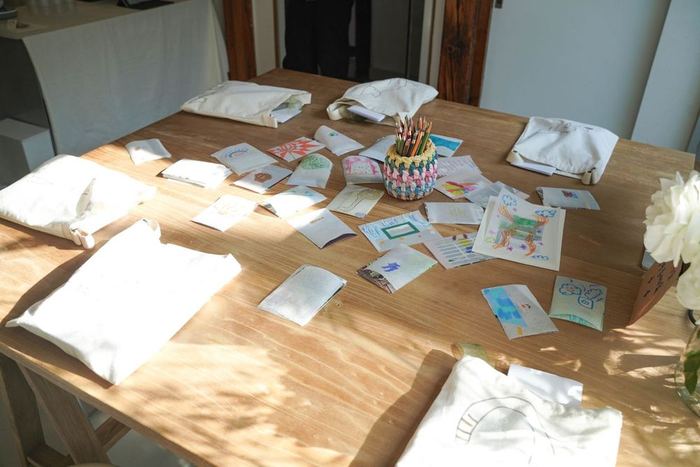
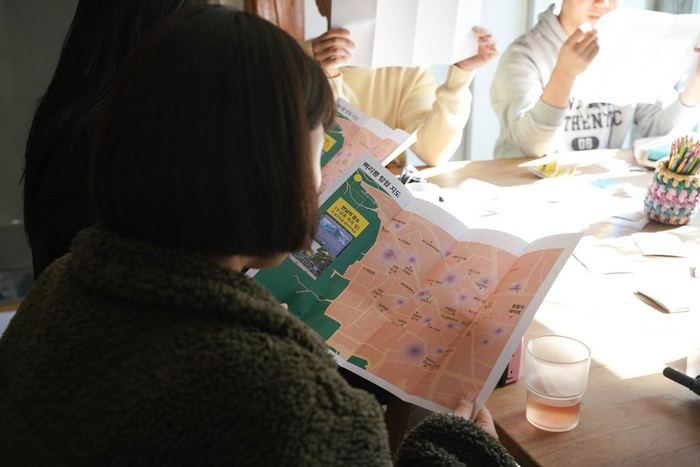
They then received maps and tools for the next stage of the expedition.

4. Independent Exploration

Participants left the hideout and explored Seochon independently.

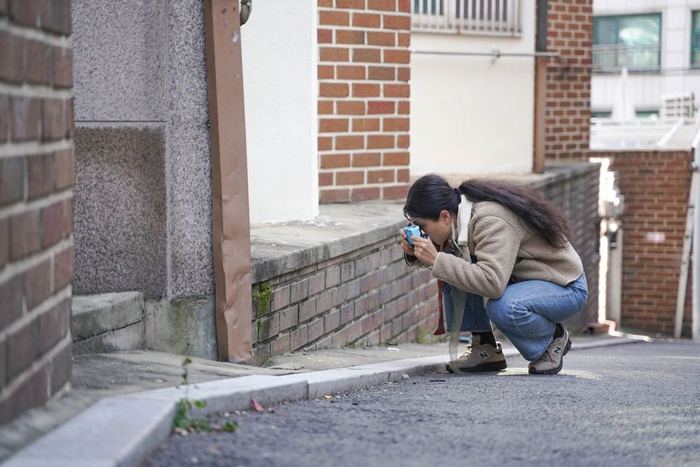
Without a performer leading the way, they decided for themselves what could count as Piripong. They wandered, stopped, photographed objects, and shared discoveries through the walkie-talkie.

The audience shifted from following an established way of seeing to producing their own interpretations of the neighbourhood.

5. Reunion

At the end of the expedition, participants gathered again.

Discoveries made along different routes were brought together and shared, turning individual encounters into a temporary collective archive of Seochon.

04 Routes & Dramaturgical Devices

Routes

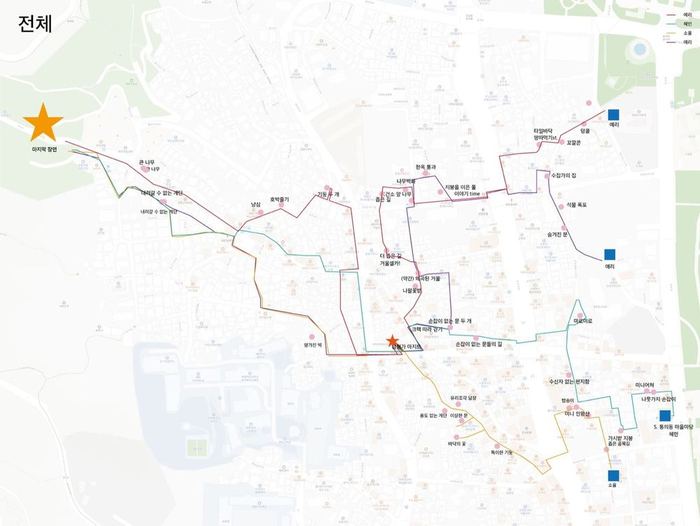
Four Piripong Captains followed different routes through Seochon.

Their journeys occasionally crossed but remained largely separate until the groups converged at the hideout. Each audience therefore encountered a different part of the neighbourhood while remaining part of the same expedition.

The reunion brought these parallel journeys together, allowing different discoveries to form a shared field of experience.

Map of the four Piripong Expedition routes through Seochon

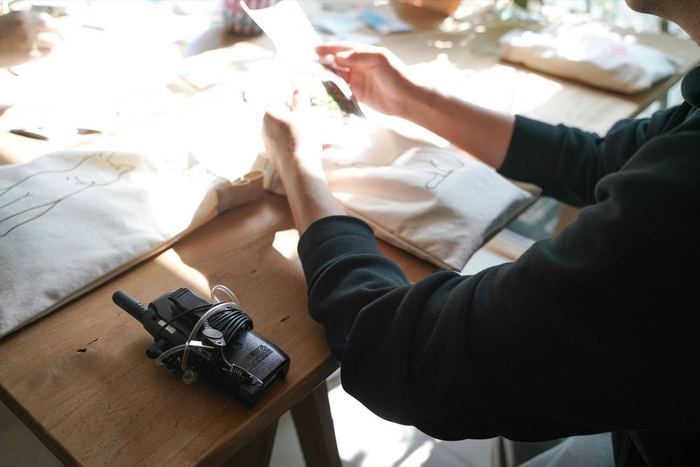
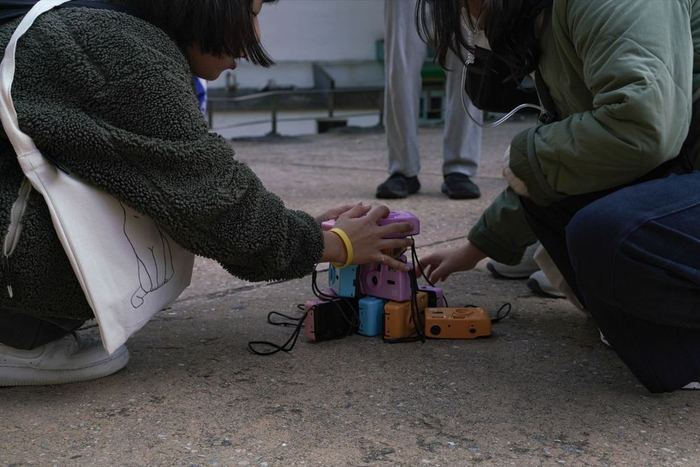
Walkie-talkies

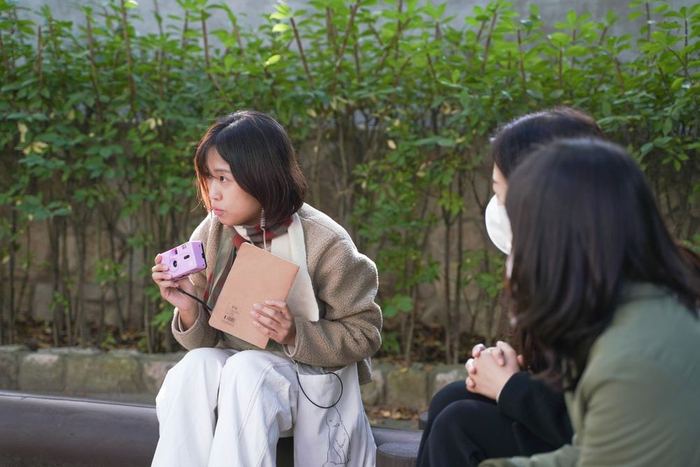
Walkie-talkies allowed participants to remain connected while physically dispersed across Seochon.

Whenever someone discovered a Piripong, they could immediately announce it to the others. A private moment of recognition therefore became a shared event, even when the other participants could not see the object themselves.
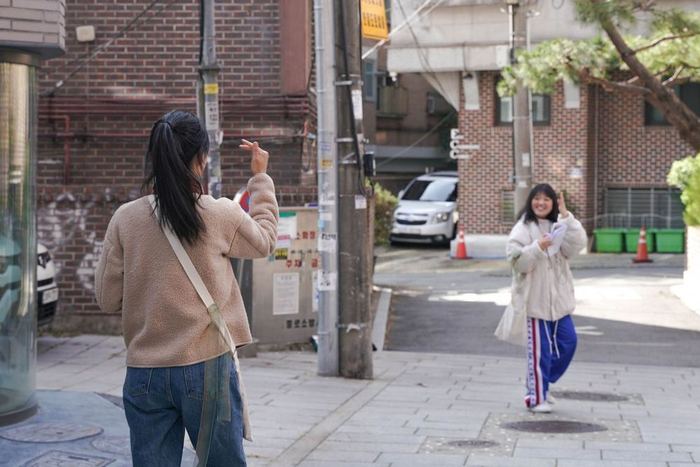
The device connected multiple journeys into a distributed narrative of discovery, functioning as both a communication tool and a dramaturgical device.
Walkie-talkies used during the Piripong Expedition

Disposable Film Cameras

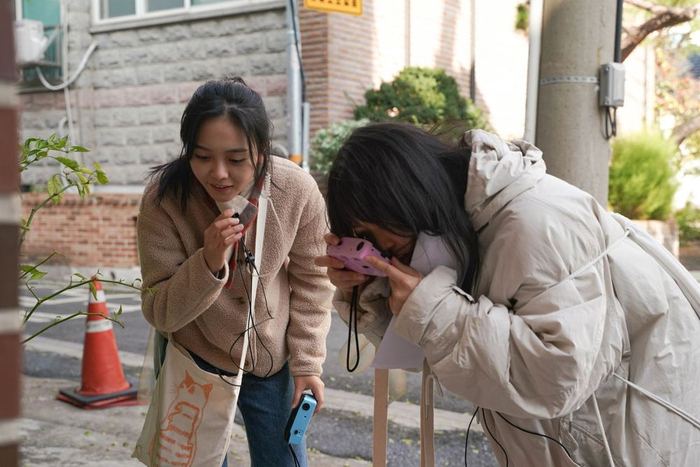
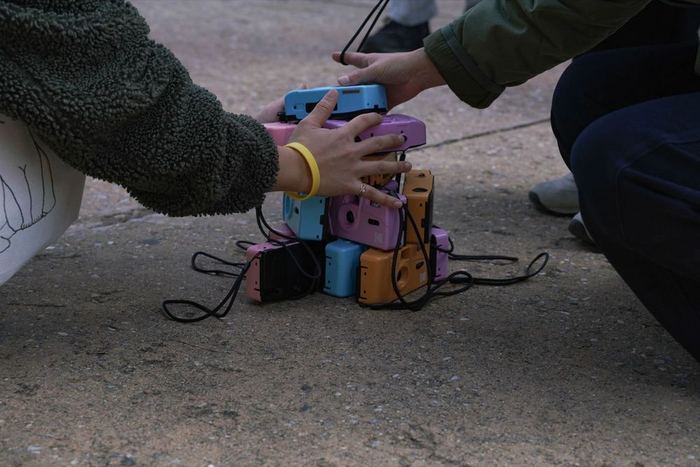
Each participant received a disposable film camera as part of the expedition kit.

Unlike digital photography, film offered no immediate review. Participants had to decide what was worth recording at the moment of encounter without knowing exactly how the image would appear.

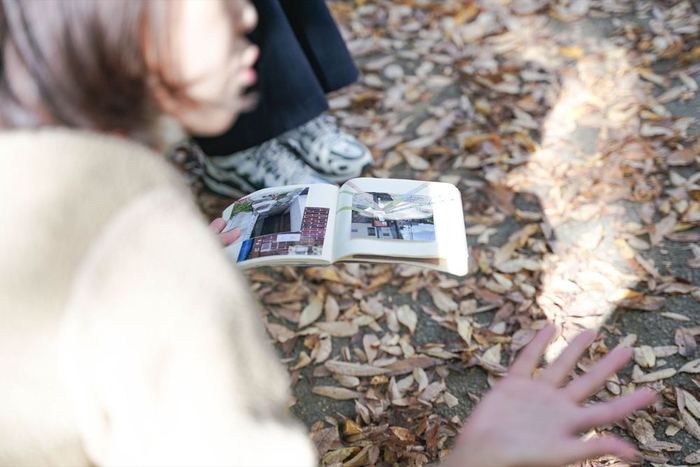
The delay created a second encounter with the performance when the photographs were later developed. The documented Piripong returned as traces of an experience that had already passed.

05 Documentation

Piripong Documented by the Audience

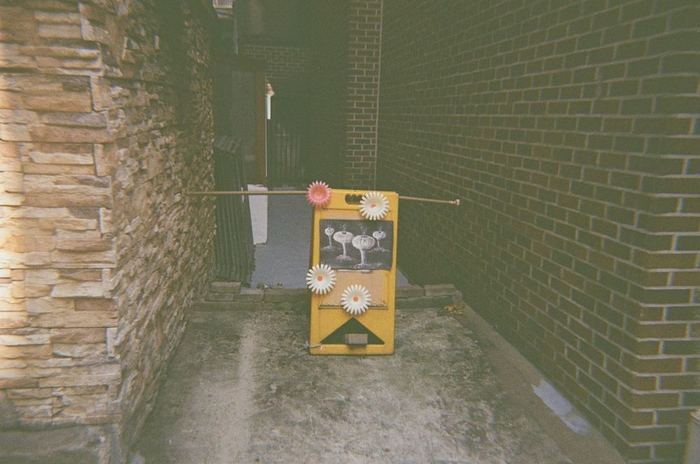
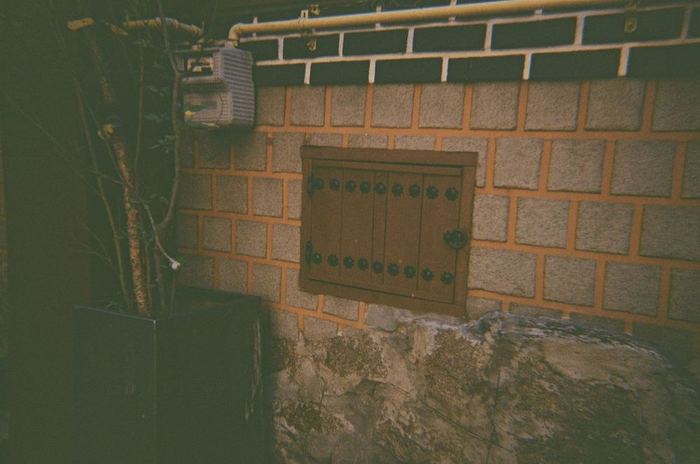
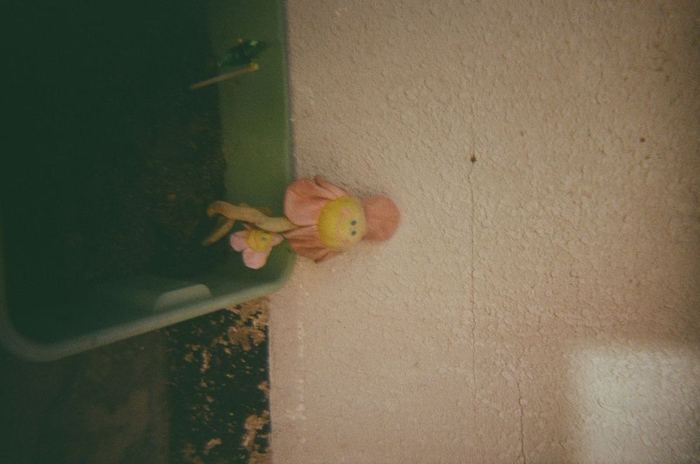
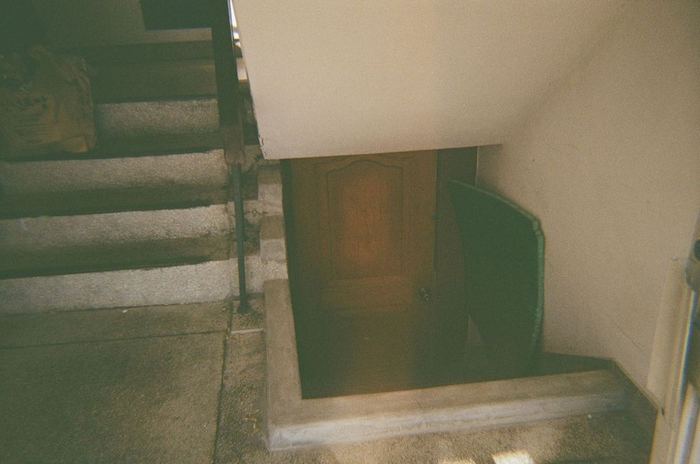
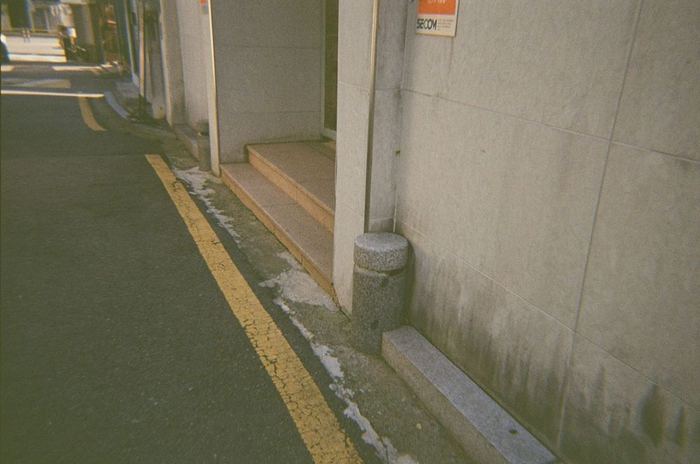
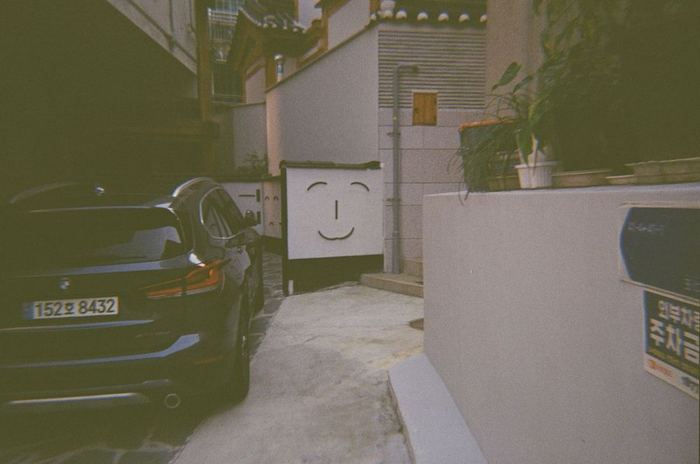
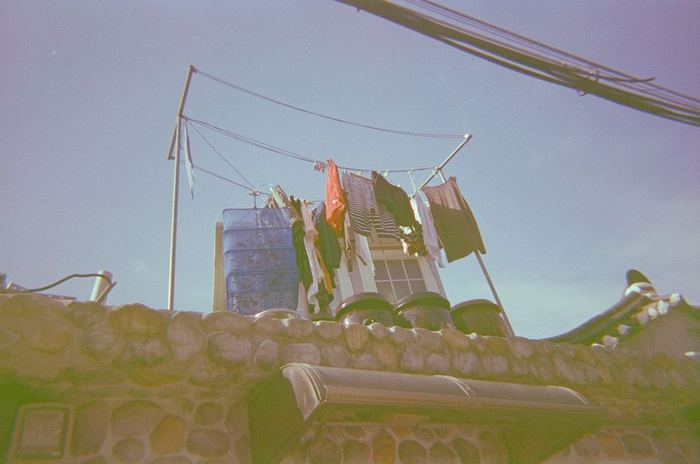
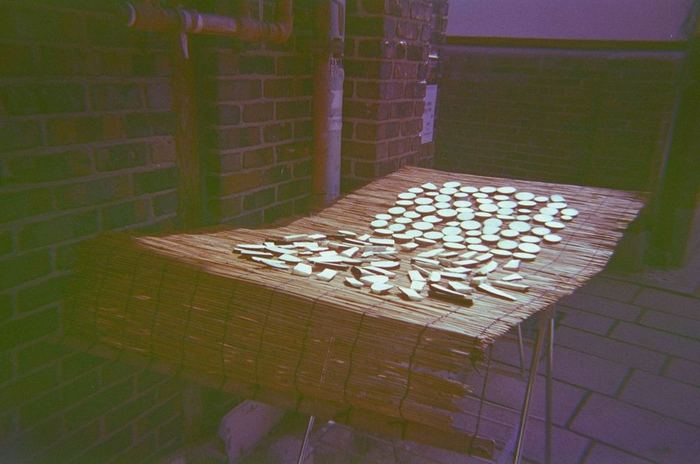
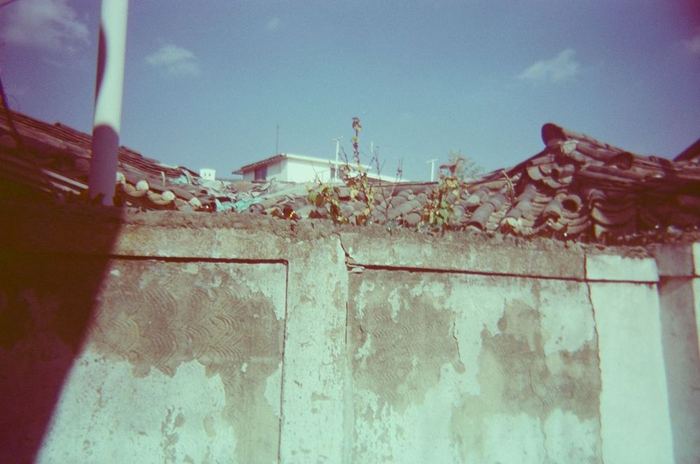
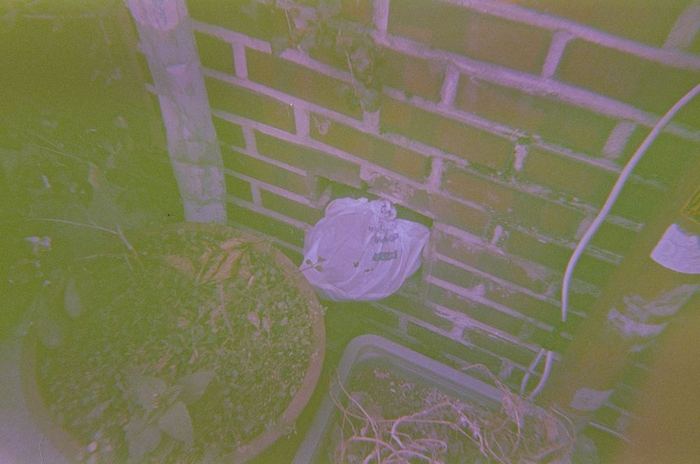
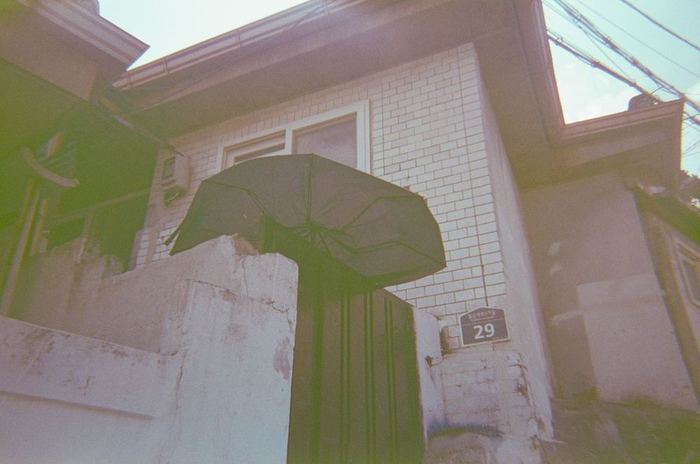
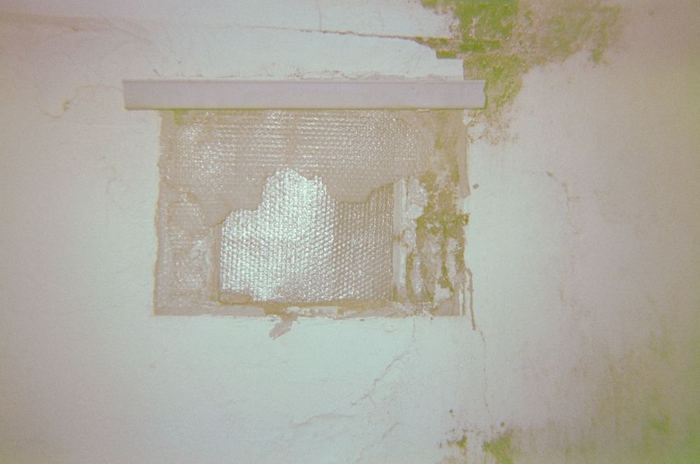
Across the performances, participants discovered and documented dozens of Piripong throughout Seochon.

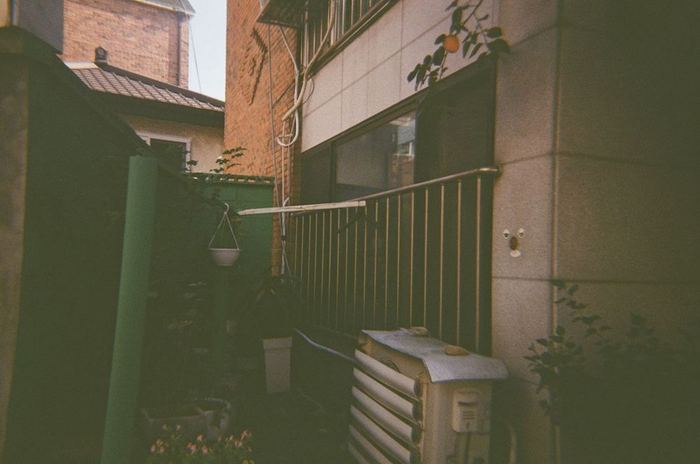
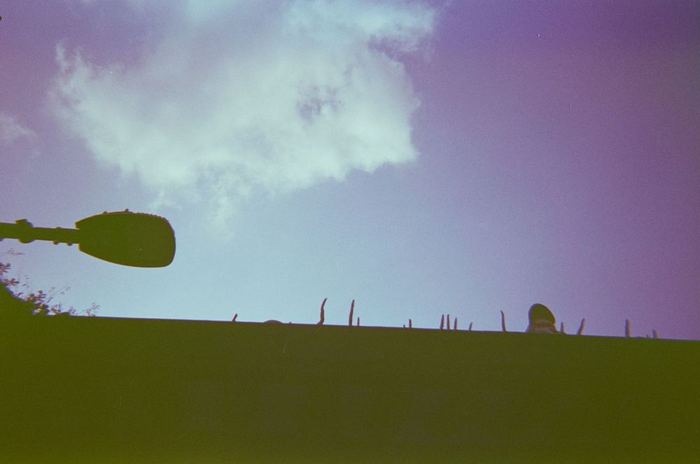
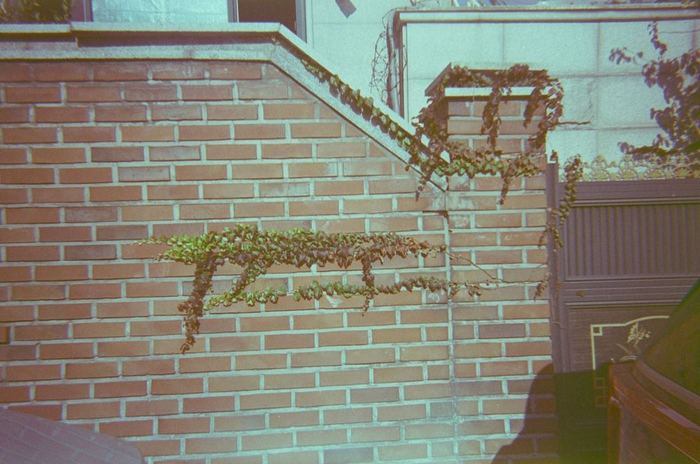
Their photographs captured doors, walls, plants, abandoned objects, architectural fragments, and other details that might normally disappear into the background of everyday walking.

Because Piripong had no fixed definition, participants developed their own ways of noticing and naming what they encountered.

Together, the photographs, names, and walkie-talkie exchanges formed a collaborative archive shaped by multiple ways of seeing the city.

Audience photograph of a Piripong discovery in SeochonAudience photograph of a Piripong discovery in SeochonAudience photograph of a Piripong discovery in SeochonAudience photograph of a Piripong discovery in SeochonAudience photograph of a Piripong discovery in SeochonAudience photograph of a Piripong discovery in SeochonAudience photograph of a Piripong discovery in SeochonAudience photograph of a Piripong discovery in SeochonAudience photograph of a Piripong discovery in SeochonAudience photograph of a Piripong discovery in SeochonAudience photograph of a Piripong discovery in SeochonAudience photograph of a Piripong discovery in SeochonAudience photograph of a Piripong discovery in SeochonAudience photograph of a Piripong discovery in SeochonAudience photograph of a Piripong discovery in Seochon

06 Project Reflections

Play can shift attention.

By framing overlooked objects as Piripong, ordinary urban fragments became sources of curiosity and imagination.

Discovery can become collective.

Walkie-talkies transformed individual findings into shared events, even when participants were physically separated.

Documentation can extend the experience.

Disposable film cameras delayed the moment of seeing, allowing discoveries to return later as traces of the performance.

Archiving can be participatory.

Photographs, names, and conversations formed a collective archive shaped by different ways of noticing the city.

Project information

Year
2024
Location
Seochon, Seoul, Korea
Format
Site-specific participatory performance
Performance
2–5 November 2024
Director
Sehee Hwang
Dramaturg
Min Chae
Producer
Hoyeon Lee
Performers
Hyemin Jeong, Yeri Sim, Aeri Lee, Sunhee Nam, Soyul Moon
Supported by
Seoul Foundation for Arts & Culture; Seoul Street Arts Creation Center